Care & Wardrobe Advice
Choosing a Shirt Collar for Ties and Open-Neck Wear
Choosing a collar for both tied and open-neck outfits starts with your usual jacket and tie. Learn what to observe in each arrangement, how to separate appearance from comfort, and which questions to take to a shirt fitting.
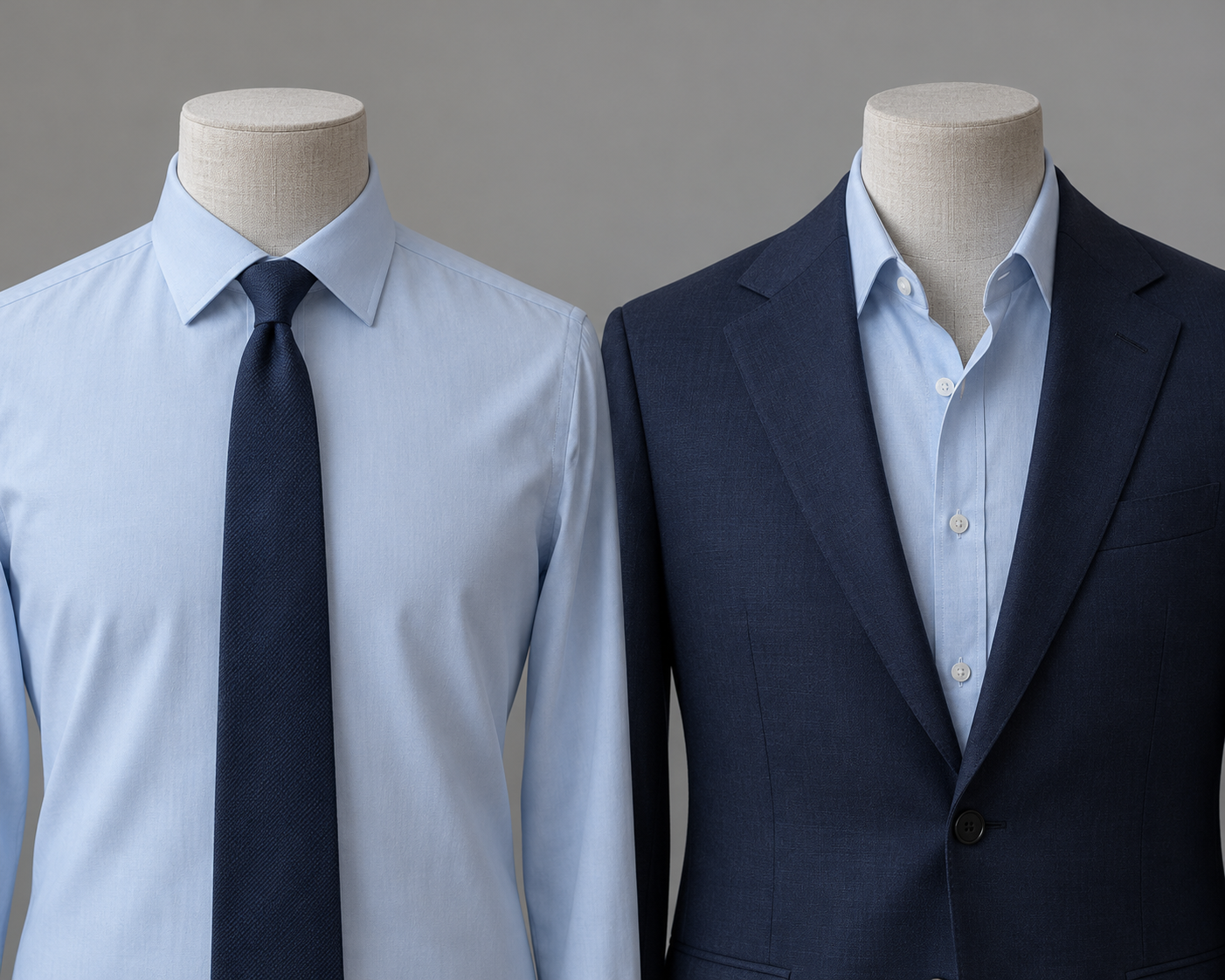
You may like a shirt collar with a tie and feel less sure about it once the tie comes off. Before choosing a collar for both uses, look at each outfit as you would actually wear it. The way the neckline sits, its relationship to your jacket and your comfort when the collar is fastened all deserve attention.
With Isaac Ely's bespoke shirts, the collar is designed as part of an individually patterned shirt, taking into account whether you wear a tie or an open collar. So start by explaining how you divide your time between the two. That gives the conversation a more useful starting point than searching for a collar shape that supposedly suits everyone.
Decide which outfit comes first
Think about an ordinary week. If you wear an open collar most days and a tie for occasional meetings, say so. If a tie is part of your usual working dress, make that the priority while still checking the open-neck version. You can want both to work without giving them equal weight.
Include the jacket in that description. A collar you like with one jacket may give a different impression with another, so choose the jacket you'll wear most often for the initial comparison. Tell the tailor if you also expect to wear the shirt on its own.
Suppose you wear the same navy jacket to work with an open-neck pale-blue shirt, then add a tie for a client presentation. Use those two outfits as a test: keep the jacket and shirt the same, and change how you wear the neckline. That makes it easier to identify what you like about the collar itself.
It also helps to know what can actually differ between collars. The main features are how far apart the points sit (the spread), how long the points are, how tall the band around your neck stands and how firm or soft the collar feels. You don't need to choose these yourself, but having names for them makes it easier to connect what you notice, such as the space around your knot or an open collar folding under the lapels, with the options you're shown.
Look at the collar with your usual tie
Use a tie you genuinely wear, tied in your usual way. Fasten the collar and look at the whole neckline rather than concentrating on the knot alone. Notice the space around the knot, where the collar points sit and how they relate to the jacket lapels.
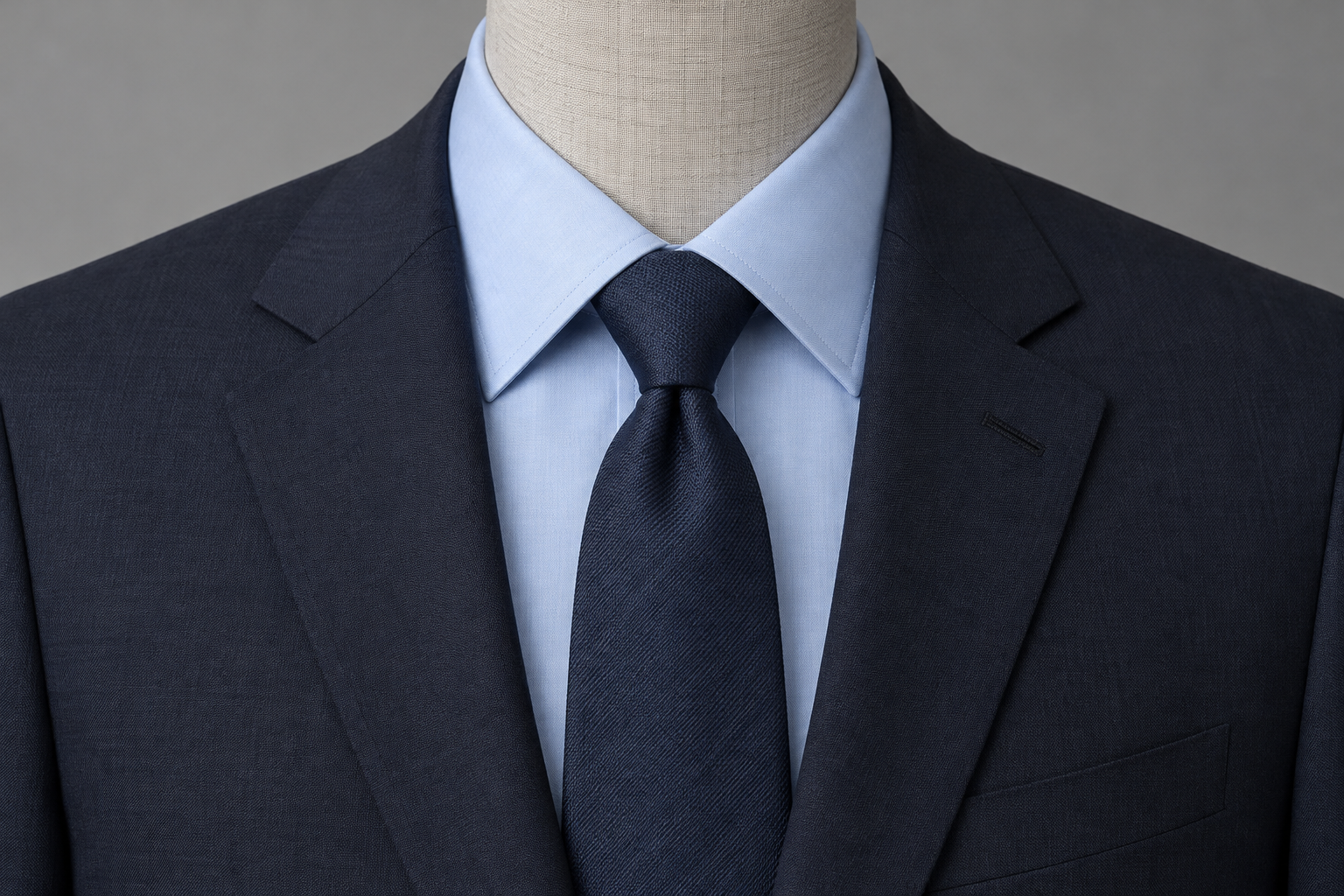
Describe the effect you prefer in ordinary language. You might want the collar points to sit more quietly beneath the jacket, or prefer a different balance between the collar and your tie knot. A photograph of an outfit you like can help explain that preference, but it doesn't establish which collar will produce the same result on you.
Check comfort separately. When trying a shirt, notice how the fastened collar feels while you sit and turn your head naturally. If it presses or bothers you, say where and when. Don't dismiss discomfort because the tied outfit looks tidy, and don't try to solve it by guessing a new neck measurement.
If you wear several very different ties, mention that too, and ask which are worth bringing. Ties you actually wear keep the comparison realistic; trying a new knot is a separate decision.
Remove the tie and let the collar settle
Take off the tie and open the neckline as you normally would. Leave the same jacket on for the first look. Notice where the collar points rest, whether the opening looks as relaxed or as contained as you prefer, and how the shirt and lapels sit together.
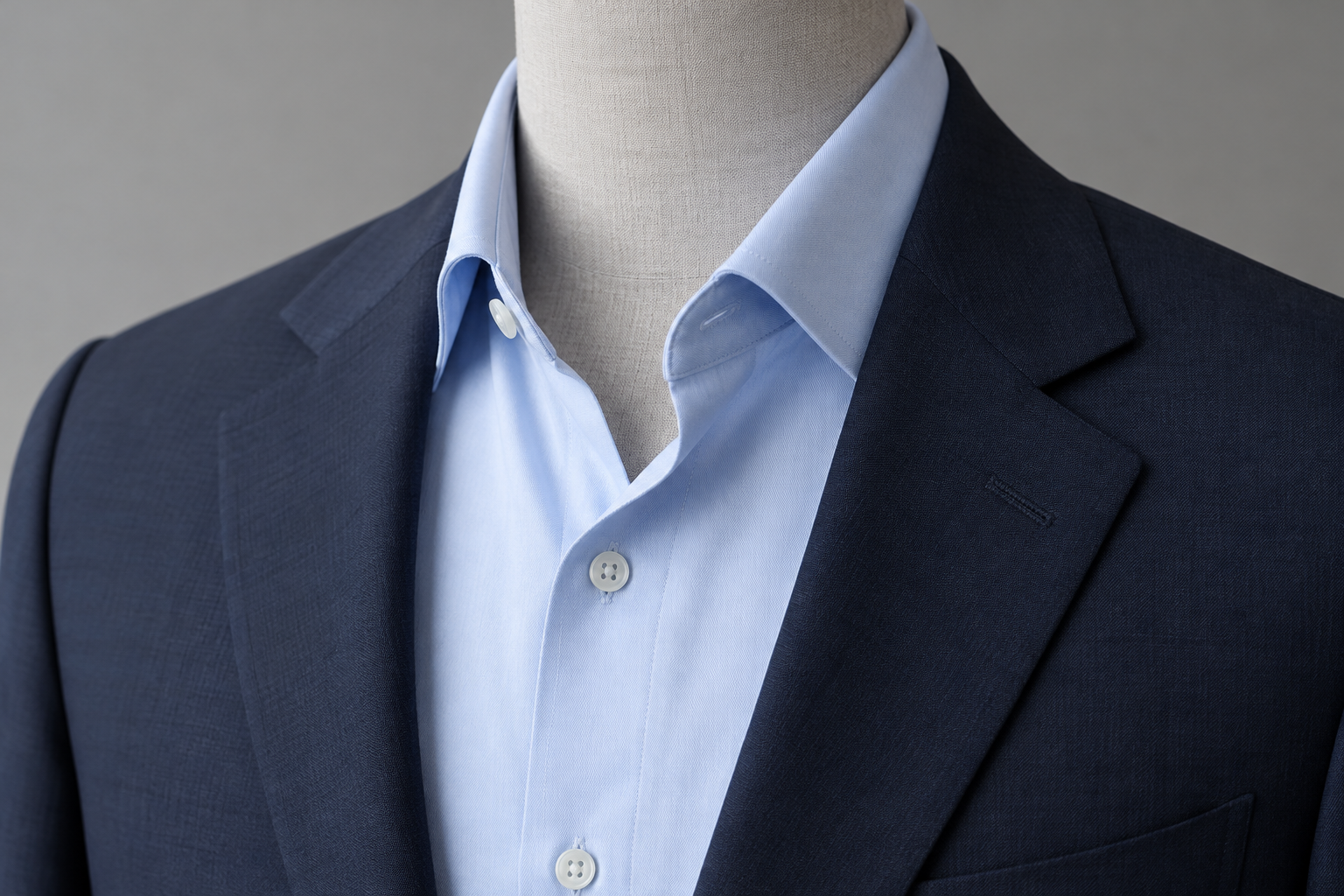
Let the collar settle after an ordinary movement rather than arranging it carefully for one still view. Does it return to a position you like, or do you find yourself repeatedly adjusting it? Describe what happens.
Then remove the jacket if you expect to wear the shirt that way. You may like a more open neckline under a jacket but prefer a different impression when the shirt is worn alone. That is useful feedback.
Keep the two versions in mind together. If one matters much more to you, explain which compromise you would accept in the less frequent outfit. If neither feels convincing, ask to discuss another available option rather than forcing an early decision.
Check the shirt beyond the neckline
A collar can look right while another part of the shirt feels restrictive. Notice the shoulders, sleeves and upper back as you sit or reach in a familiar way. Keep those observations separate from your comments about the open neckline or tie.
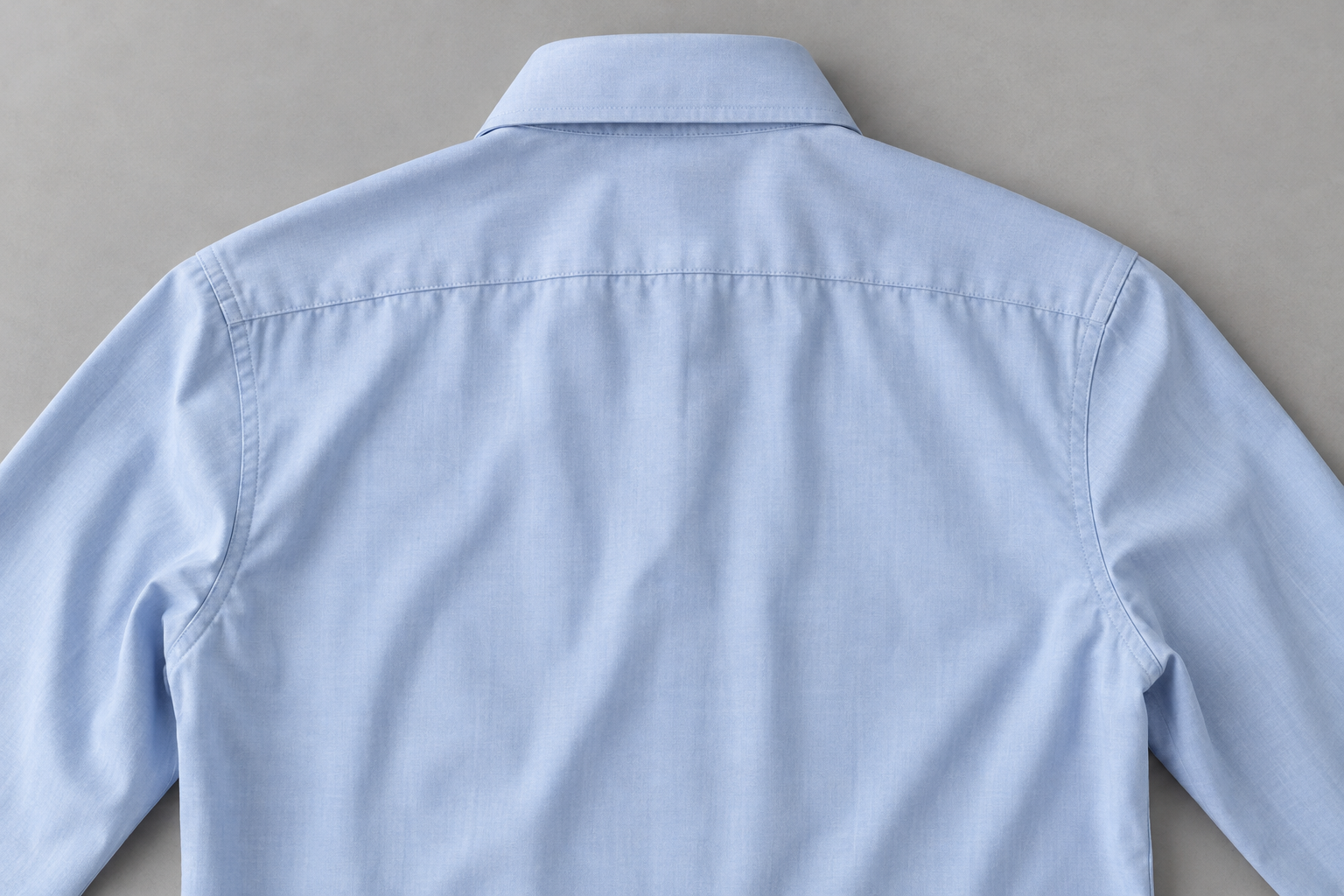
The guide to a shirt that fits your neck but not your shoulders explains how to describe that mismatch without diagnosing its cause. A different collar style shouldn't become a substitute for assessing the whole shirt.
Isaac Ely's shirt process includes a trial-shirt fitting before the final fabric is cut. Ask how you can use that stage to revisit both neckline arrangements and the movements that matter to you.
Questions to take to the fitting
A short checklist can bring the style and comfort discussion together:
- Which collar options would you suggest for my usual tied and open-neck outfits?
- Can we compare them with the jacket and tie I actually wear?
- What should I notice when the collar is fastened and when it is open?
- How will we assess any separate shoulder or sleeve concerns?
- What should I bring, and what happens at the trial fitting?
If you'd like to talk through collar options first, you can send Isaac Ely a note about your shirt describing the outfits you wear most and which arrangement matters more.