Tailoring Guides
Soft or Structured Jackets: Questions to Ask Before Choosing
Soft and structured can describe several different things about a jacket. Learn what to ask about the shoulder, front and lining, how to compare samples, and how to connect your preferences to the clothes you already wear.
When a jacket is described as soft, ask what is soft about it. The word might refer to the shoulder line, the feel of the front or the overall impression when worn. Structured needs the same follow-up. Neither description, by itself, tells you how the jacket is made or whether you'll enjoy wearing it.
Start with a jacket you can look at and discuss. Isaac Ely's custom blazers and sport coats service considers cloth, lining, details and silhouette alongside the clothes you already wear. Use that wardrobe context to explain the shape and feel you're after, then ask which construction choices would support it.
Look at the shoulder, front and lining
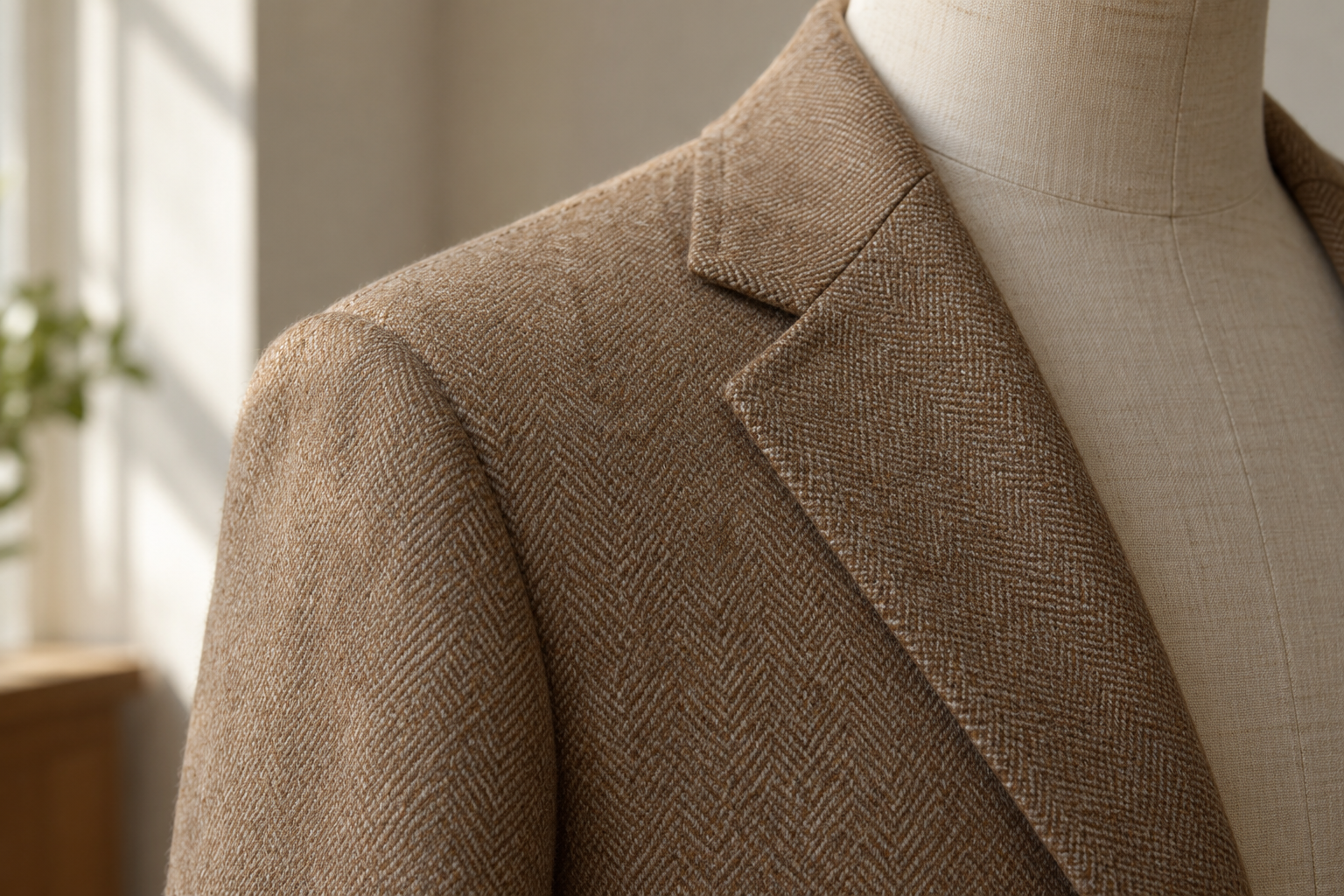
Ask the tailor to point out the features behind the description. Start at the shoulder: are you responding to a gentle slope, a more defined outline or the way the sleeve meets the body? Describe the visible effect you prefer before assuming you know what is inside.
In general tailoring use, structure usually comes from shoulder padding, a firmer sleeve head (the top of the sleeve where it joins the shoulder) and canvas or interlining, the layers inside the front that shape the chest. A jacket described as soft typically has less padding and lighter internal support, though it may still be canvassed. Makers combine these elements differently, so treat this as vocabulary for your questions rather than a description of any particular jacket.
Move to the front of the jacket. Look at how it hangs, the line of the lapels and the shape through the chest and waist. Drape simply describes how the cloth falls. Ask what contributes to the drape of the jacket you're looking at, including the cloth and its internal support.
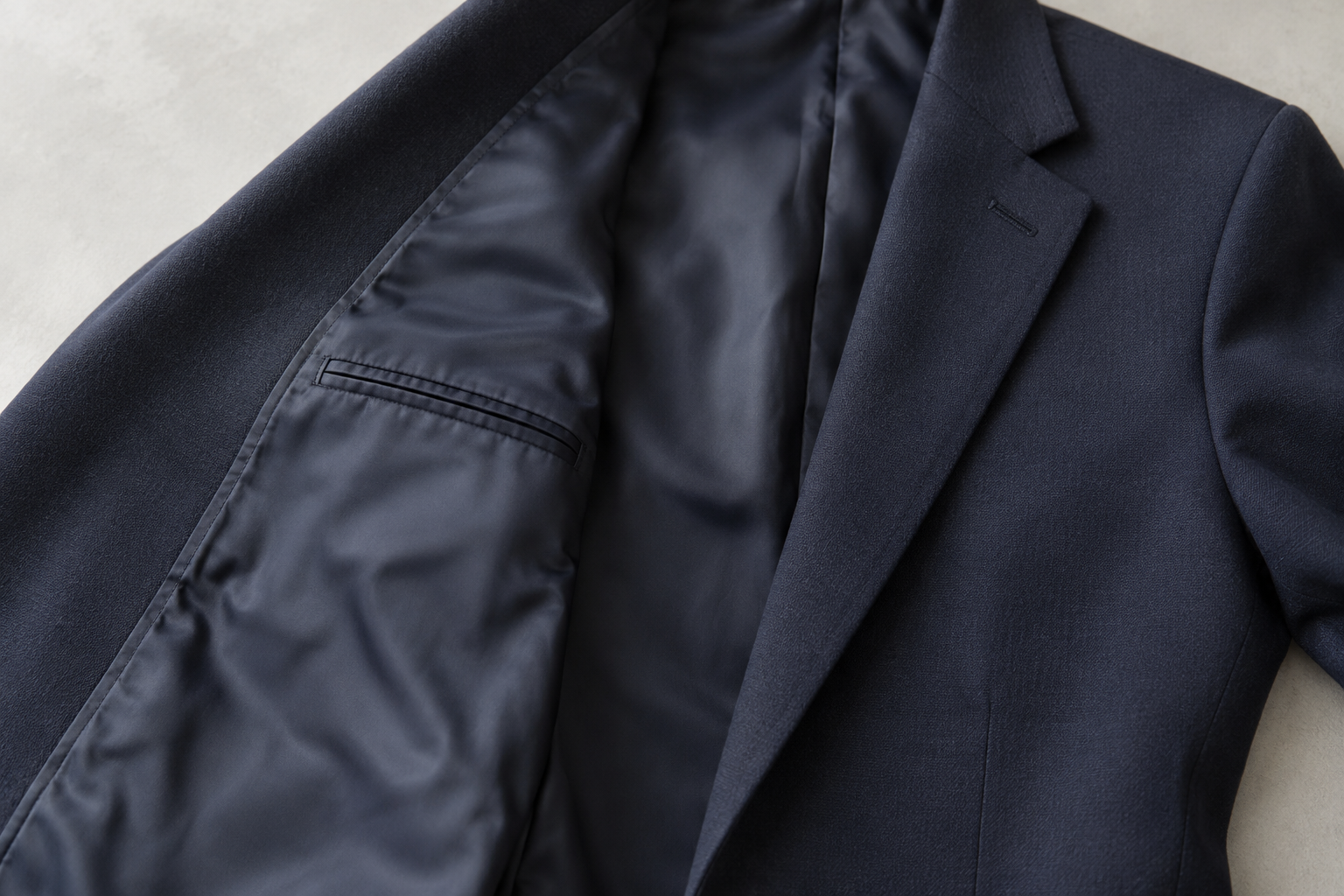
Keep the lining question separate. Lining is the fabric you can see inside the jacket; looking at it doesn't reveal every layer between it and the outer cloth. Ask what lining is proposed, where it will be used and how it relates to the intended feel. Don't assume that a jacket described as soft must have no lining or no internal support.
These questions are more useful than trying to infer a construction specification from a photograph. You can identify an outline you like in an image, but the hidden details still need an explanation. Nor does a softer feel establish better workmanship. Treat appearance, comfort and construction as related subjects that each deserve an answer.
Compare what you see with what you feel
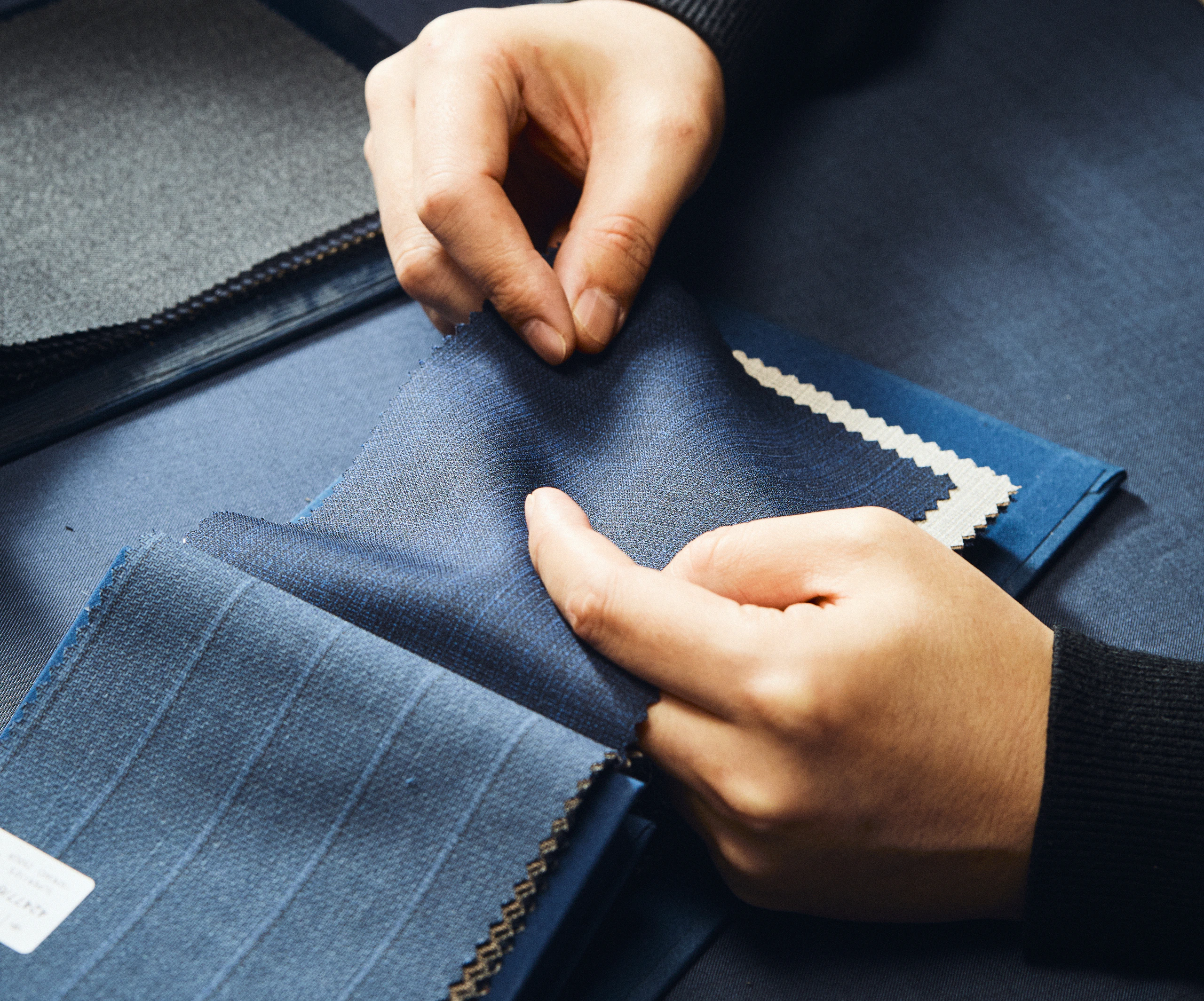
If suitable samples are available to try, use the same shirt or knitwear for each; a jacket you already own can also serve as a point of comparison. Give yourself time to notice the jacket as a whole before concentrating on one attractive detail. Look from the front and side, then turn enough to see the back. Stand as you normally would rather than holding a pose that makes the sample look its best.
Fasten the jacket as it's meant to be worn, walk a little, sit down and make an ordinary reaching movement. Describe where you feel resistance or pressure and whether you keep adjusting the garment. A sample's fit may differ from the fit being proposed for you, so ask which observations concern the sample and which help explain your preference.
A softer-looking shoulder may not move more freely, and a defined front may not feel rigid. Ask to compare those qualities directly. The useful distinction might be that you like one jacket's outline but prefer how another feels across the upper body.
Cloth can complicate the comparison too. When two samples differ in fabric, cut and construction, keep all three in mind. Ask which features account for the difference you notice rather than crediting the word soft with everything you enjoy.
Put the jacket back into your wardrobe
Think about where a relaxed outline would suit you and when you'd prefer a more defined shape. Explain where you'll wear the jacket, what you'll wear underneath it and whether it needs to work with dress trousers, chinos or denim. Isaac Ely's service page, for example, lists softly constructed jackets in linen, cotton and textured wool among its casual options; if that appeals, ask what the construction would involve for your jacket. Avoid making a choice solely because one description sounds easier to wear.
For a practical way to assemble those combinations, the guide to choosing a first navy blazer around the clothes you own starts with an outfit inventory. Use the same outfits when you discuss how much definition or softness you want. A shape you enjoy over a shirt may look or feel different with your usual knitwear.
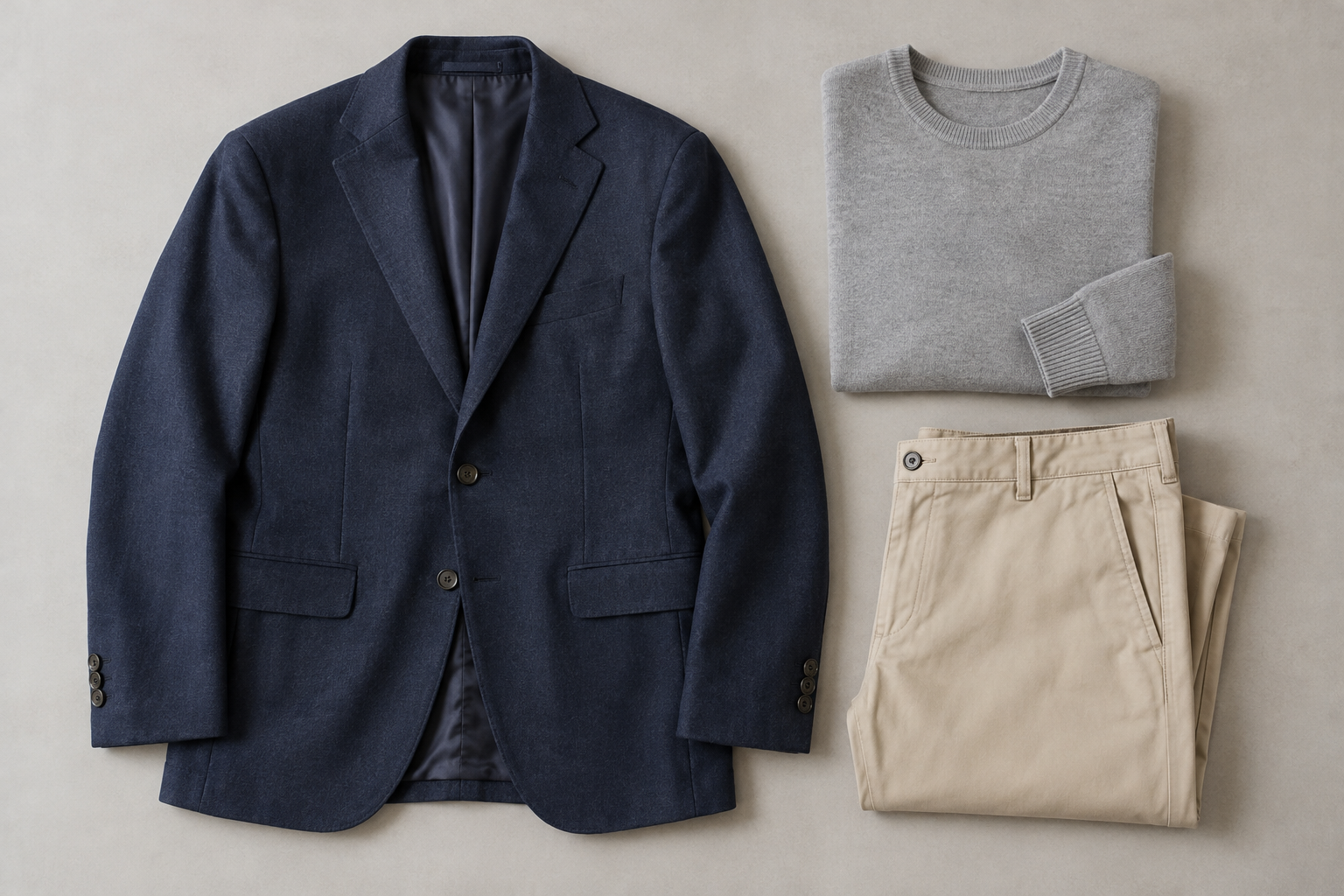
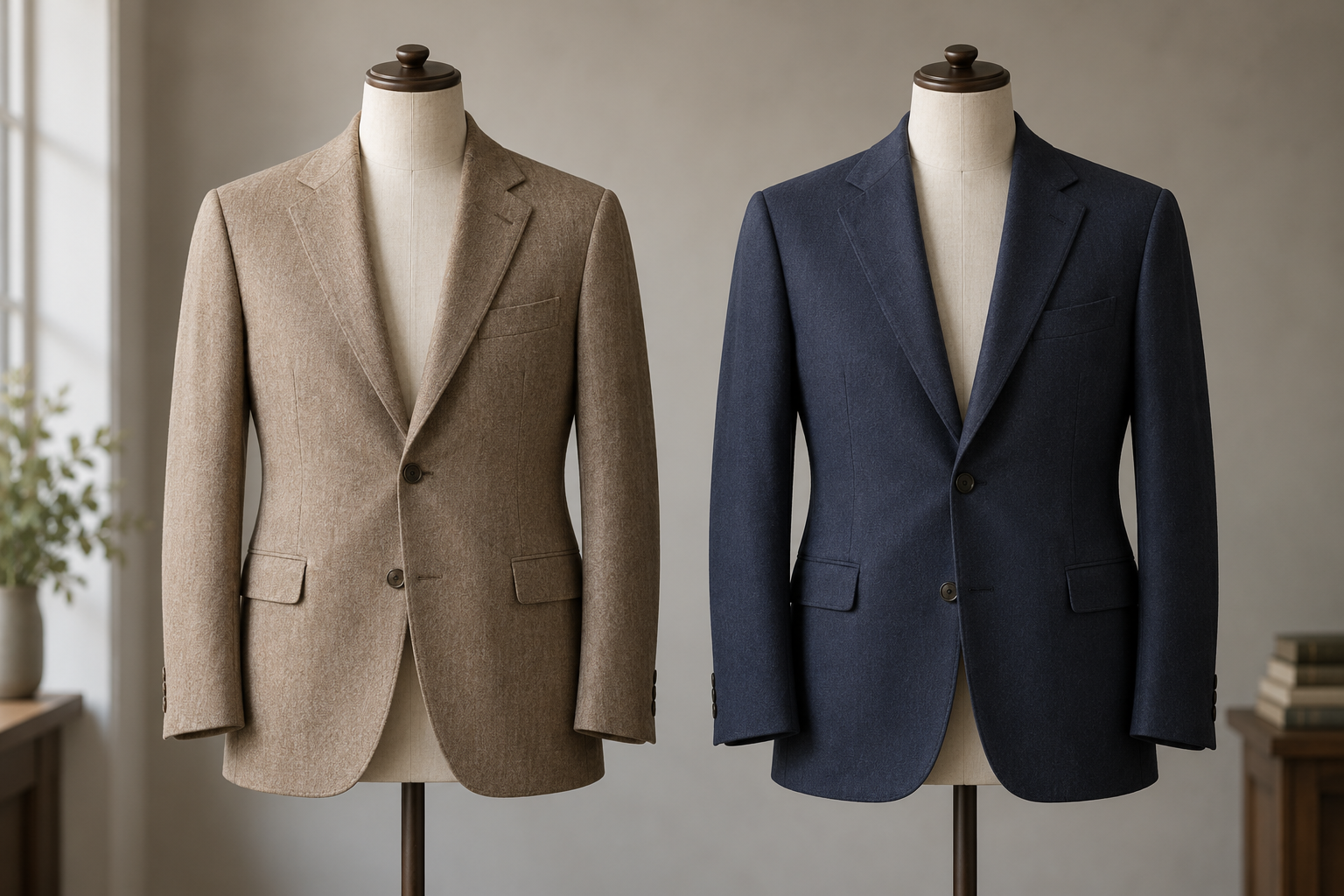
Suppose, in a hypothetical comparison, you like the relaxed shoulder of a tan sample but the more defined front of a navy one. Explain each preference separately. Ask whether the proposed jacket can bring those qualities together, what compromises might be involved and whether another example would clarify the recommendation.
If the jacket has one main job, give that job priority. For example, you might want a composed outline for regular meetings while still feeling comfortable during the seated parts of the day. That is a useful brief. It doesn't require you to choose between looking formal and being comfortable before the tailor has assessed the options.
Ask for the recommendation in plain language
Before deciding, check that you can connect the proposed jacket to the features you liked. A short set of questions can keep the conversation grounded:
- What gives the shoulder and front their proposed shape?
- What internal support and lining would this jacket use?
- How might the chosen cloth affect the feel and drape?
- Which sample details are relevant to my jacket, and which would differ?
- How will we assess the shape and movement through fittings?
Isaac Ely offers made-to-measure and bespoke separate jackets; see how bespoke and made-to-measure differ as starting points if the distinction is new to you. Confirm which approach is being recommended for your needs and ask about its current options; neither service name alone answers the construction questions above.
You can ask Isaac Ely about a jacket for your wardrobe, describing the occasions, outfits and jacket features that matter to you. An inquiry starts a conversation rather than reserving an appointment. Aim to leave that conversation able to describe the proposed shoulder, front and lining more clearly than simply calling the jacket soft or structured.